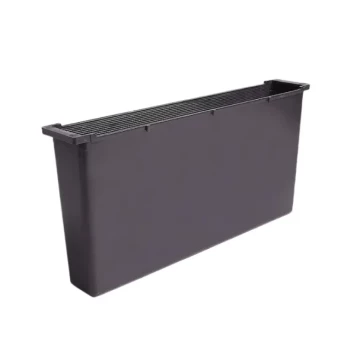
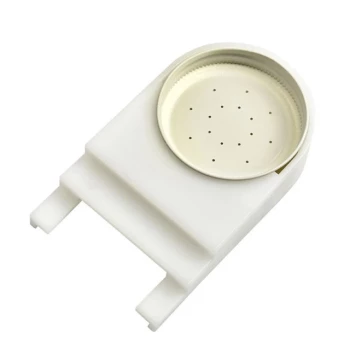
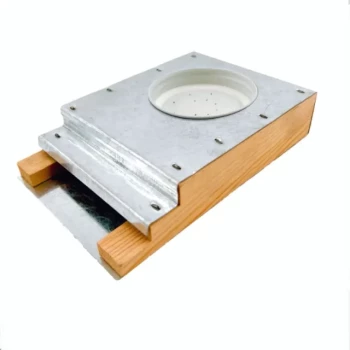
يعد تصميم المغذيات وإدارتها نقاط تحكم حرجة في قمع النوزيما داخل المناحل التجارية. عندما تكون المغذيات مصممة بشكل سيء أو تُدار بشكل غير صحيح، فإنها تشجع على التجمع بكثافة عالية والتبرز الداخلي، مما يحول محطة التغذية فعليًا إلى ناقل أساسي لابتلاع الأبواغ السريع ونشر المرض.
يعتمد انتقال النوزيما بشكل كبير على ابتلاع الأبواغ عبر البراز؛ لذلك، فإن أكثر المغذيات فعالية هي تلك المصممة خصيصًا لعزل مصادر الغذاء عن البراز وتتحمل التعقيم الصارم والمتكرر.
آليات الانتقال عبر المغذيات
خطر التجمع
أثناء التغذية الاصطناعية، تجتمع النحلات بشكل طبيعي بكثافة عالية حول مصدر الغذاء. إذا كان تصميم المغذية يفرض على النحل الزحام بشكل مفرط، فإنه يخلق نقطة توتر غالبًا ما تؤدي إلى التبرز مباشرة على أو داخل المغذية.
دورة ابتلاع الأبواغ
بمجرد أن يدخل براز النحل إلى بيئة الخلية - وتحديدًا بالقرب من مصدر الغذاء - يرتفع خطر الإصابة بشكل حاد. تصبح المغذية وسطًا ماديًا لتشتيت مسببات الأمراض، حيث تبتلع النحلات الصحية أبواغ النوزيما عن غير قصد أثناء جمع الشراب، مما يسرع انتشار المرض في جميع أنحاء المستعمرة.
تأثير "المغذية المتسخة"
غالبًا ما تحتفظ المغذيات المهملة ببقايا تؤوي مسببات الأمراض. بدون تصميم يسهل التنظيف، تعمل هذه المغذيات كخزانات دائمة للأبواغ، مما يعيد إصابة المستعمرة حتى بعد العلاج أو فترات السكون.
ميزات التصميم الاستراتيجي للسيطرة على الأمراض
عزل مصدر الغذاء
تم هندسة المغذيات الاحترافية لتقليل مساحة التلامس بين جسم النحلة والشراب. من خلال تصميم هياكل تمنع النحل من الخوض في السائل أو التبرز فوقه، يتم تقليل احتمالية التلوث البرازي بشكل كبير.
التعقيم المادي والسطحي
اختيار المادة أمر حيوي. تستخدم المغذيات من الفئة الاحترافية مواد غير مسامية يسهل تعقيمها. هذا يسمح لنحاليين بإزالة الأبواغ بفعالية أثناء الصيانة الروتينية، وهو إجراء تقني حيوي للحفاظ على ظروف صحية.
التوحيد للتبديل السريع
يساهم الاستفادة من التصنيع على مستوى صناعي في ضمان أن تمتلك المغذيات ومكونات الخلية اتساقًا هيكليًا دقيقًا. يسمح هذا التوحيد لمديري المناحل بتبديل المغذيات المتسخة ب نظيفة بسرعة عبر مئات المستعمرات دون مشاكل في التوافق، مما يبسط عملية التعقيم.
دور الدقة في بيئة الخلية
تنظيم مساحة النحل
بينما المغذية هي الناقل، فإن هيكل الخلية هو البيئة. يضمن التصنيع عالي الدقة "مساحات نحل" دقيقة. هذا يمنع الاكتظاظ في المناطق غير المخصصة للتغذية ويدعم التنظيم الحراري والتهوية الطبيعية، مما يقلل من الظروف الرطبة التي قد تفضل تكاثر النوزيما.
مراقبة الأمراض بكفاءة
تسهل خلايا النحل الموحدة الفحوصات الروتينية. عندما تكون أبعاد المعدات متسقة، يسهل على موظفي المناحل فتح الخلايا، وفحص المغذيات بحثًا عن علامات الزحار (النقاط)، وتقييم صحة المستعمرة دون تفكيك الإعداد بالكامل.
فهم المفاضلات
التغذية عالية الحجم مقابل التعقيم
تقلل المغذيات ذات السعة الكبيرة من العمالة من خلال تقليل الحاجة إلى إعادة الملء، لكنها تطرح أيضًا مفاضلة صيانة. الشراب المتبقي لفترة طويلة قد يتخمر أو يصبح ملوثًا. تتطلب المغذيات عالية الحجم جداول مراقبة أكثر صرامة لضمان بقاء الشراب مصدرًا للغذاء، وليس مستنقعًا لمسببات الأمراض.
التكلفة الأولية مقابل الأمان التشغيلي
يتطلب الاستثمار في مغذيات احترافية موحدة وخلايا مفرومة بدقة رأس مال أولي أعلى مقارنة بالحلول المؤقتة. ومع ذلك، فإن تكلفة تفشي النوزيما - التي تقاس بفقدان المستعمرات وانخفاض محاصيل العسل - تفوق بكثير نفقات معدات التعقيم المناسبة.
اتخاذ الخيار الصحيح لهدفك
لحماية منحلك بشكل فعال، يجب أن توازن بين اختياراتك للمعدات وأهدافك الإدارية:
- إذا كان تركيزك الأساسي هو منع الأمراض: أعطِ الأولوية للمغذيات ذات نقاط الوصول المقيدة التي تمنع النحل جسديًا من التبرز في الشراب، وقم بتطبيق دورة صارمة للتبديل من أجل التعقيم.
- إذا كان تركيزك الأساسي هو الكفاءة التشغيلية: استخدم مكونات خلية موحدة ومصنعة بدقة تسمح بالتبديل السريع والجماعي للمغذيات، مما يمكن من التعقيم الجماعي خارج الموقع.
- إذا كان تركيزك الأساسي هو توسع المستعمرة: تأكد من أن معدات التغذية الخاصة بك متوافقة مع صناديق الحضنة الموحدة للحفاظ على النظافة حتى أثناء تقسيم الخلايا وزيادة الكثافة.
يبدأ الإدارة الفعالة للأمراض بإدراك أن المغذية ليست مجرد مصدر للغذاء، بل هي خطر بيولوجي محتمل يتطلب هندسة دقيقة وإشرافًا صارمًا.
جدول الملخص:
| الميزة | التأثير على السيطرة على النوزيما | الفائدة للمناحل التجارية |
|---|---|---|
| عزل الوصول للغذاء | يقلل من التلوث البرازي للشراب | يقلل بشكل كبير من معدلات ابتلاع الأبواغ |
| مواد غير مسامية | تمكن من التعقيم العميق وإزالة الأبواغ | تمنع المغذيات من أن تصبح خزانات لمسببات الأمراض |
| مساحة نحل دقيقة | تقلل من الاكتظاظ وتجمع الرطوبة | تعزز نظافة الخلية الطبيعية والتهوية |
| أبعاد موحدة | تسهل تبديل المعدات بسرعة | تبسط سير عمل التعقيم الجماعي |
| سعة عالية الحجم | تتطلب جداول مراقبة أكثر صرامة | توازن بين كفاءة العمالة والأمان الصحي |
أمّن صحة مناحلك مع معدات HONESTBEE الاحترافية
احمِ مستعمراتك التجارية من التأثير المكلف لـ النوزيما باستخدام حلول مصممة هندسيًا بدقة. توفر HONESTBEE للمناحل التجارية والموزعين أدوات وآلات تربية نحل عالية الجودة وموحدة مصممة للإدارة الصحية الصارمة.
تشمل محفظتنا الجملية الشاملة:
- أنظمة تغذية متقدمة: مصممة لمنع التلوث وتسهيل التنظيف السريع.
- آلات دقيقة: آلات صنع الخلايا وملء العسل لمعايير تشغيلية متسقة.
- المواد الأساسية: طيف كامل من الأجهزة المتينة ومستلزمات تربية النحل.
لا تدع التصميم السيء للمعدات يضر بمحاصيلك. شارك مع HONESTBEE للوصول إلى معدات على مستوى صناعي تدعم منع الأمراض على نطاق واسع والكفاءة التشغيلية.
اتصل بخبرائنا اليوم لتحسين توريدك بالجملة
المراجع
- Ingemar Fries, Scott Camazine. Implications of horizontal and vertical pathogen transmission for honey bee epidemiology. DOI: 10.1051/apido:2001122
تستند هذه المقالة أيضًا إلى معلومات تقنية من HonestBee قاعدة المعرفة .
المنتجات ذات الصلة
- مغذي النحل السريع مغذي نحل بلاستيك أبيض 2 لتر بلاستيك مستدير علوي مستدير ل 8 أو 10 أطر لخلايا النحل
- 3.5 لتر مغذي إطارات خلايا النحل البلاستيكية ذات الإطارات البلاستيكية العميقة لتغذية المياه داخل الخلية
- وحدة تغذية النحل العلوية المربعة لخلية النحل العلوية المربعة HONESTBEE
- وحدة تغذية النحل المستديرة لخلية النحل العلوية المستديرة للشراب
- HONESTBEE حل تغذية خلية نحل احترافي لتغذية خلية النحل لتربية النحل
يسأل الناس أيضًا
- ما الذي يجب فعله بالمغذيات والمعدات بعد إطعام النحل؟ خطوات أساسية لصحة المنحل
- ما الذي يجب فعله إذا لم تستهلك النحل العلف الموجود في المساعد؟ منع العفن في الخلية بالإدارة السريعة للعلف
- ما هي ضرورة المغذيات الداخلية أو الخارجية المتخصصة؟ أمّن خليتك بأدوات تغذية احترافية
- كيف تعمل مغذيات النحل على الحفاظ على صحة الطائفة خلال فترات نقص الرحيق؟ دليل أساسي لمربي النحل
- ما مدى سرعة إفراغ مستعمرة متوسطة إلى قوية للمغذية عادةً؟ دليل مربي النحل لصحة الخلية