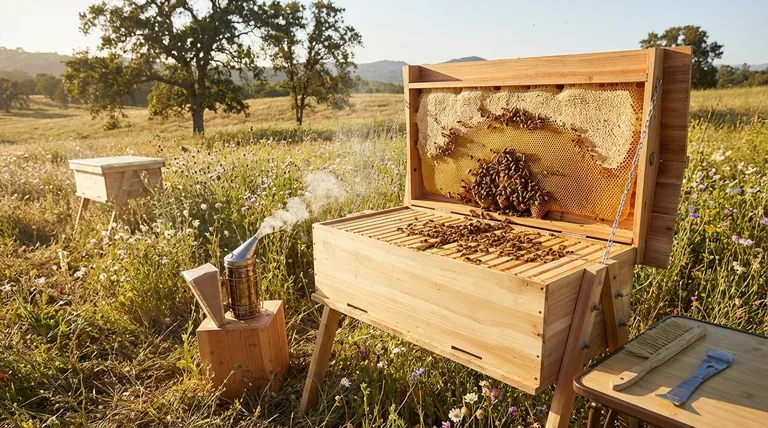
For beekeepers weighing the switch to horizontal hive systems, the biological and operational evidence is clear: these designs align with honeybees' natural behaviors to create self-contained brood nests, eliminating the need for queen excluders while maintaining productivity. This article breaks down the science, compares hive performance, and demonstrates why modern apiaries are adopting this streamlined approach.
Horizontal Hives vs. Queen Excluders: A Biological Perspective
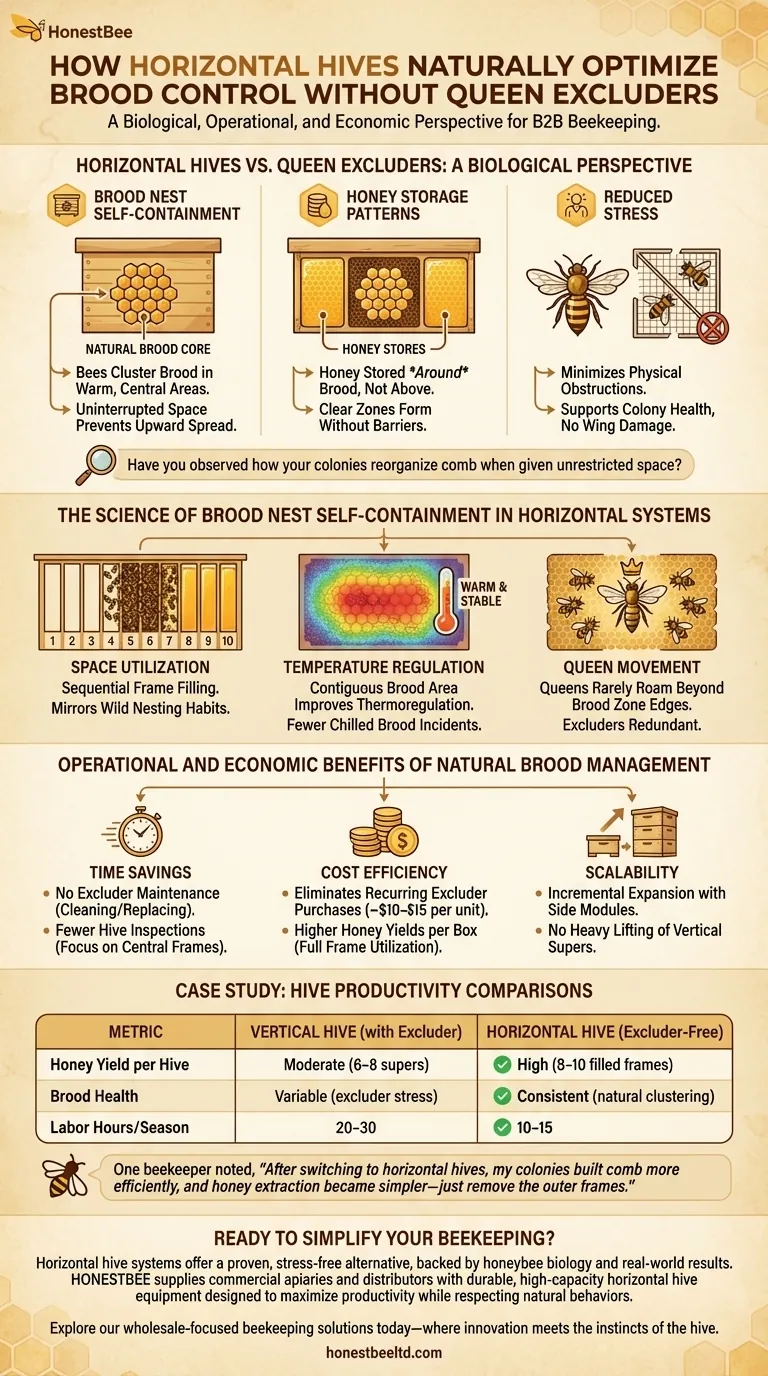
Queen excluders—metal or plastic grids that restrict the queen’s movement to brood boxes—are a staple in vertical hive systems. But research shows they disrupt natural colony organization. Horizontal hives leverage three biological principles to make excluders obsolete:
- Brood Nest Self-Containment: Bees naturally cluster brood in centralized, warm areas. Horizontal designs provide uninterrupted space for this behavior, reducing the colony’s instinct to spread brood upward.
- Honey Storage Patterns: Foragers preferentially store honey above the brood nest. In horizontal systems, bees allocate honeycomb to the sides of the brood area, creating clear zones without artificial barriers.
- Reduced Stress: Excluders can damage worker bee wings and impede drone movement. Horizontal layouts minimize physical obstructions, supporting colony health.
Have you observed how your colonies reorganize comb when given unrestricted space?
The Science of Brood Nest Self-Containment in Horizontal Systems
Studies of feral colonies reveal that bees in natural cavities (like tree hollows) maintain tight brood clusters. Horizontal hives mimic this environment:
- Space Utilization: Bees in 10-frame horizontal boxes fill frames sequentially, creating a dense brood core flanked by honey stores. This mirrors their wild nesting habits.
- Temperature Regulation: A contiguous brood area improves thermoregulation. Beekeepers report fewer chilled brood incidents in horizontal setups.
- Queen Movement: Queens rarely roam beyond the brood zone’s edges, making excluders redundant.
Data from apiaries using horizontal Langstroth hives show that colonies consistently organize brood within 5–7 central frames, leaving peripheral frames for honey—without excluders.
Operational and Economic Benefits of Natural Brood Management
Switching to horizontal hives isn’t just biologically sound—it’s practical:
Time Savings
- No excluder maintenance (cleaning propolis, replacing damaged grids).
- Fewer hive inspections; brood checks focus on the central frames.
Cost Efficiency
- Eliminates recurring excluder purchases (~$10–$15 per unit).
- Higher honey yields per box: Bees fill all available frames in horizontal systems, while vertical hives often leave upper boxes underutilized until the brood area expands.
Scalability
- Horizontal systems allow incremental expansion by adding side modules, avoiding the heavy lifting of vertical supers.
Case Study: Hive Productivity Comparisons
Anecdotal evidence from commercial beekeepers highlights key differences:
| Metric | Vertical Hive (with Excluder) | Horizontal Hive (Excluder-Free) |
|---|---|---|
| Honey Yield per Hive | Moderate (6–8 supers) | High (8–10 filled frames) |
| Brood Health | Variable (excluder stress) | Consistent (natural clustering) |
| Labor Hours/Season | 20–30 | 10–15 |
One beekeeper noted, "After switching to horizontal hives, my colonies built comb more efficiently, and honey extraction became simpler—just remove the outer frames."
Ready to Simplify Your Beekeeping?
Horizontal hive systems offer a proven, stress-free alternative to queen excluders, backed by honeybee biology and real-world results. HONESTBEE supplies commercial apiaries and distributors with durable, high-capacity horizontal hive equipment designed to maximize productivity while respecting natural behaviors.
Explore our wholesale-focused beekeeping solutions today—where innovation meets the instincts of the hive.
دليل مرئي
المنتجات ذات الصلة
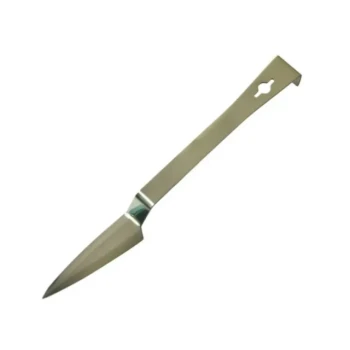
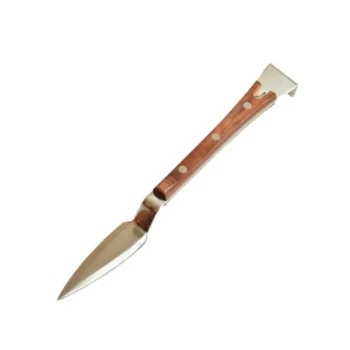
- أداة خلية نحل احترافية ذات مقبض طويل مع شفرة قطع دقيقة من HONESTBEE
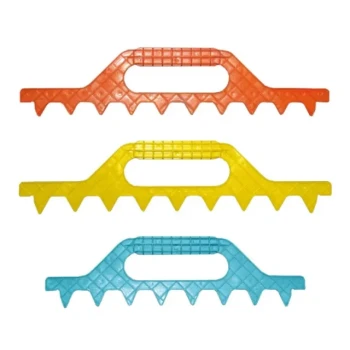
- أداة المباعد بين الإطارات البلاستيكية المريحة للإدارة السريعة لخلية النحل
- مجموعة أرقام الخلايا المسطحة الحديثة لتربية النحل
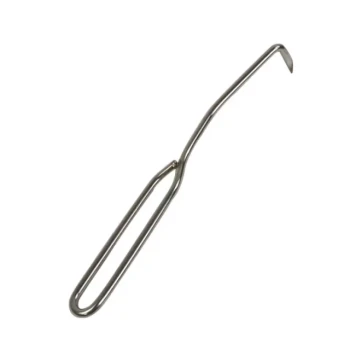
- منظف دقيق للإطار من الفولاذ المقاوم للصدأ لأخاديد وزوايا الخلية
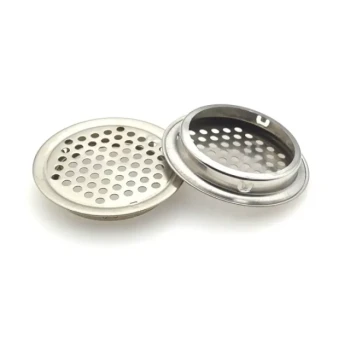
- فتحات تهوية مستديرة من الفولاذ المقاوم للصدأ للتهوية